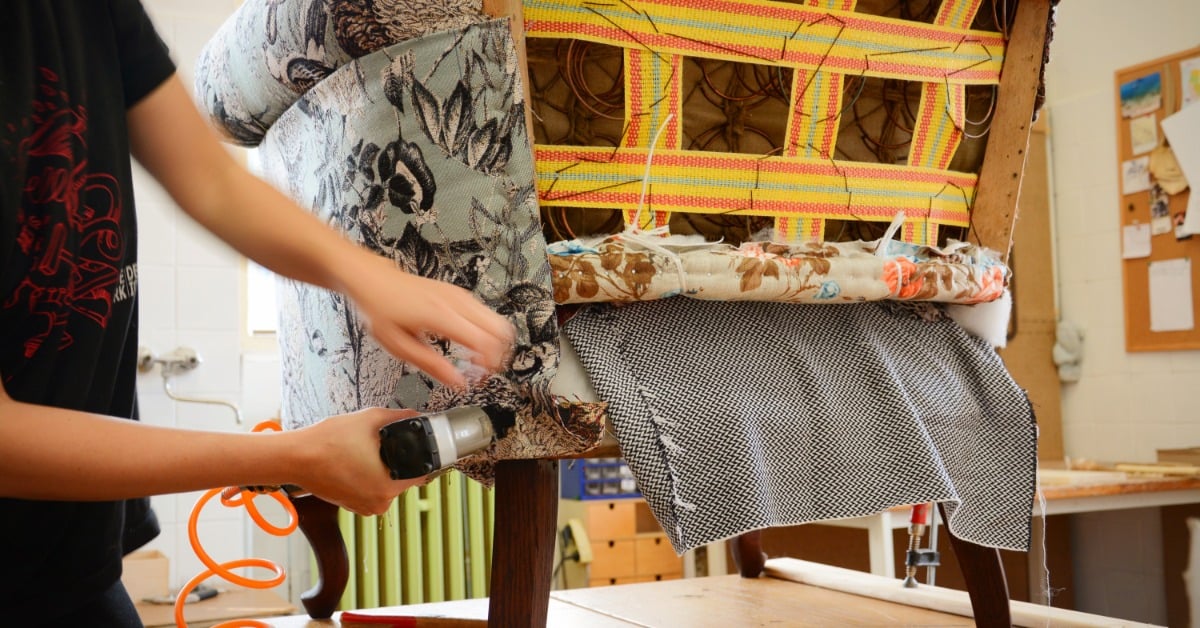
Fabric usually tells on you before the piece even leaves the bench. A tiny wrinkle at the corner, a soft wave across the panel, or a bulky tuck under the rail can make a finished job look rushed. When upholsterers use upholstery tension mapping for wrap-free fabric layouts, they plan how the fabric should move before they start pulling and stapling. That planning keeps the reduces waste reduced and helps the finished piece look intentional instead of wrestled into place.
What Is Tension Mapping
Tension mapping gives upholsterers a clear pull plan. Every fabric reacts differently when stretched across foam, curves, seams, and frame edges. Some fabrics creep, and some show every tiny uneven pull under good lighting. Mapping tension helps you control those reactions before they turn into waves or strange diagonal drag lines.
Wrap-free layouts require even more planning because you cannot hide excess fabric in large folds or bulky overlaps. A simple tension map gives the upholsterer a better shot at a tight surface without fighting excess material at the end.
Start With the Fabric
A lot of upholstery problems start when the frame gets all the attention, and the fabric gets treated like it will “figure itself out.” Fabric has personality, and sometimes that personality is annoying.
Before cutting, test how the material stretches across the grain, with the grain, and on the bias. This quick check tells you where the fabric will give easily and where it will resist. Once you understand the fabric, you can map tension zones that match how it actually moves.
Read the Shape Before You Pull
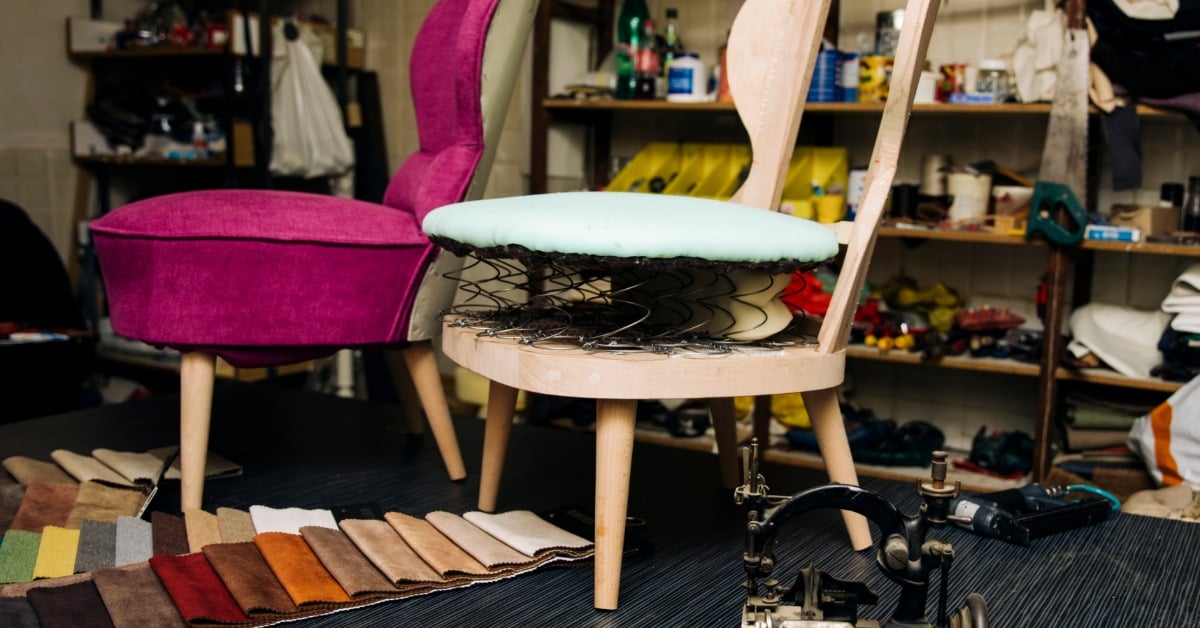
The frame shape tells you where tension wants to collect. Tight corners and curved rails all create pressure points where fabric can bunch or twist. Flat panels usually need balanced outward tension, while curved areas often need smaller pull zones that work around the shape.
If you pull a curved piece like a flat one, the fabric will usually punish you with wrinkles. Look for the high points, low points, and edges that will anchor the fabric first. These spots become your reference points during layout and stapling.
Build Tension Zones Before Stapling
Think of the layout in zones rather than as one big piece of fabric. The center area usually needs smooth, even tension that keeps the face clean. Corners and edges, on the other hand, need controlled tension that removes slack without creating hard pull marks. A good tension map gives each zone a job. This helps you avoid the classic mistake of pulling one edge tight while the opposite side stays loose.
Here is a simple zone check to use before fastening:
- Mark the fabric center and frame center before setting tension.
- Pull lightly from the middle first, then check the grain.
- Work opposite sides in pairs to keep tension balanced.
- Save corners for last so excess fabric has somewhere to move.
- Use relief cuts only after the fabric shows where it needs help.
Keep Grain Lines Honest
Grain lines can make or break a clean upholstery layout. If the grain shifts during pulling, the finished surface can look crooked even when the fabric feels tight. This matters even more with stripes, textures, and fabrics that catch light in one direction.
Check the grain after every few anchor staples. If the fabric starts drifting, stop and adjust before the tension locks it in. A small reset early takes less time than pulling half a staple line later! Grain checks also help prevent uneven pressure that creates diagonal wrinkles across the face.
Use Staple Order to Control the Pull
Staple order works like a roadmap for tension. Start with light anchor points at the center, then move outward in small sections while alternating sides. This keeps the fabric from loading too much tension in one direction. If you staple one full side before touching the opposite side, you can trap slack and create ripples that refuse to smooth out.
For wrap-free fabric layouts, staples should support the tension map instead of forcing the fabric into place. Use fewer early staples until the surface looks right, then fill in once the pull feels balanced. This gives you room to adjust without tearing fabric or chewing up the frame.
Handle Corners Without Bulky Wraps
Corners create the most trouble in wrap-free layouts because extra fabric has nowhere to hide. A clean corner needs planned release, not a last-second fold stuffed under the edge. Pull the main face smooth first, then guide the corner fabric into smaller, flatter movements. This keeps the corner crisp without building a lump that shows through the final shape.
Avoid cutting too early, as the fabric changes once tension spreads across the piece. Let the fabric show you where it wants relief, then make small cuts instead of one dramatic slice. Small adjustments preserve strength and give you more control. Once you cut too far, the layout loses support, and the corner can start to open or distort.
Watch for Stretch and Memory
Some fabrics keep stretching after you think they are done. Others snap back, shift under pressure, or remember the fold lines from storage. This makes tension mapping more than a one-time check at the start of the job. You need to watch how the material behaves as you move around the frame.
Vinyl and leather-like materials often need more time to settle before final fastening. When in doubt, anchor lightly, step back, and let the fabric relax before committing to a final staple line.
Choose Tools That Support Clean Tension
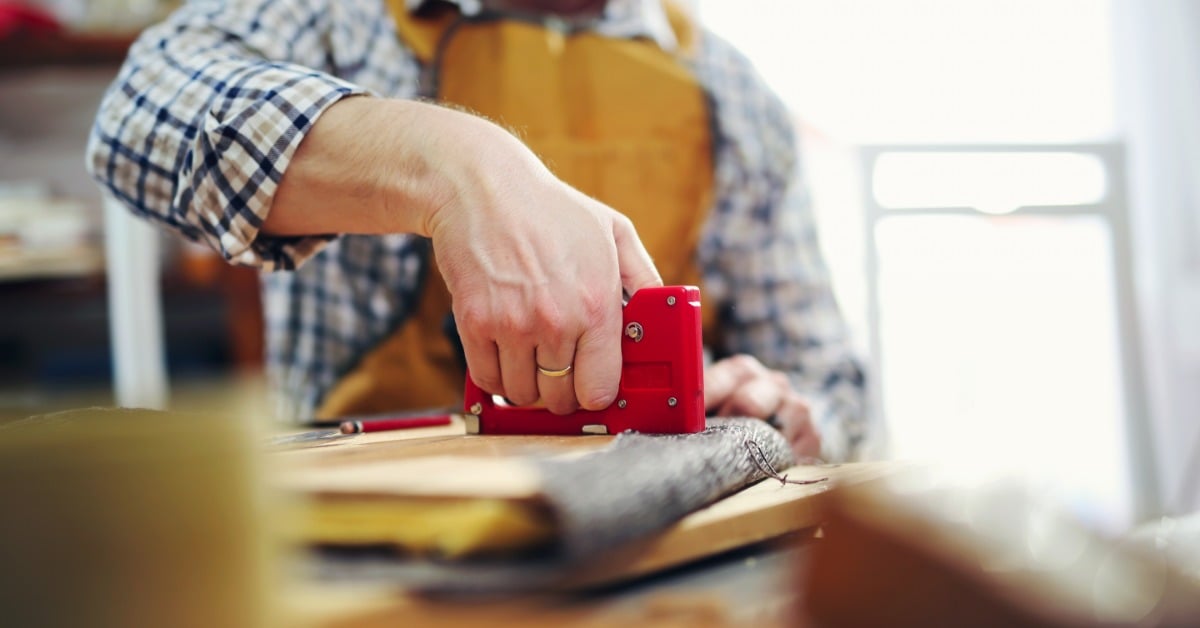
Even the best tension map can fall apart if the stapler fights you. A stapler that misfires, overdrives, or leaves proud staples disrupts the pull rhythm and causes fabric to shift. Consistent drive depth helps you secure each zone without crushing the frame or cutting into the material. For upholstery work, the tool needs to feel predictable from the first staple to the last.
A dependable stapler also helps you move through mapped zones without constant resets. When the tool behaves, the fabric gets more of your attention, which is exactly how it should be.
Keep the Finish Clean From the First Pull
Clean upholstery does not happen only at the final trim. It starts with understanding the fabric, mapping the pull, checking the grain, and stapling in an order that supports the surface. Using upholstery tension mapping for wrap-free fabric layouts gives upholsterers a practical way to prevent wrinkles and uneven tension before they become visible problems.
Ready to keep your fabric pulls smooth and your staple lines clean? Salco offers upholstery staples and fastening supplies to help every layout stay tight, balanced, and under control. Choose the right staples for your fabric stack and frame, then work through wrap-free layouts with fewer resets and cleaner edges! Browse Salco Staple Headquarters and set yourself up for a sharper finish from the first pull.