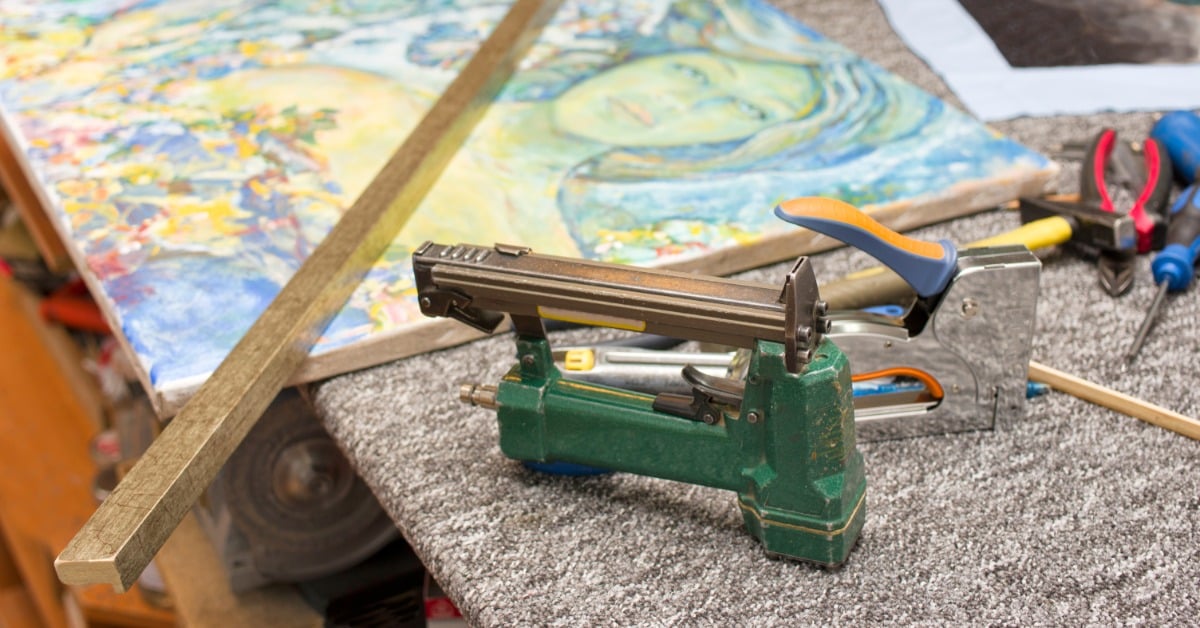
Conservation framing is a preservation service, not a style upgrade. Your customers bring pieces that are irreplaceable, sentimental, or historically important, and they expect the framing package to protect them for decades. That means controlling dust, movement, and pressure while keeping materials reversible and stable. Explore the role of picture frame staplers in conservation framing and how they lock in backing and seal layers without stressing the frame package.
What “Conservation” Changes in the Backing Step
Conservation framing raises the bar on what happens behind the artwork. Backing is no longer just a neat finish; it becomes part of a protective system that supports the glazing, keeps contaminants out, and reduces shifting during handling. A picture frame stapler fits here because it can provide repeatable fastening that supports stability without adding unnecessary stress to boards, tapes, or the moulding itself.
Keeping the Package Stable
A conservation frame should feel secure but not clamped. Overdriven fasteners can compress boards unevenly, bow backing layers, or create tension that shows up later as warping and gaps. When a stapler drives cleanly and consistently, you can fasten the backing system snugly while maintaining even pressure around the perimeter.
Reducing Micro-Movement
Tiny movements matter in preservation work. Even minor shifting inside the frame can cause edge rub, scuffing, or surface abrasion over time, especially with paper-based art and photographs. Placing staples consistently supports a backing that stays square and evenly supported. When the back holds tight and doesn’t flex unexpectedly, the framing package drifts less during transport, installation, or seasonal changes.
Supporting Cleaner Seals
Dust and debris control is one of the quiet promises of conservation framing. A smooth, consistent staple set makes it easier to apply dust covers and backing layers without wrinkles, tears, or weak sections that pull away. When staples sit flush, the back stays clean and flat, which supports better adhesion and a more durable seal. That’s not just cosmetic; it helps protect the contents in the long term.
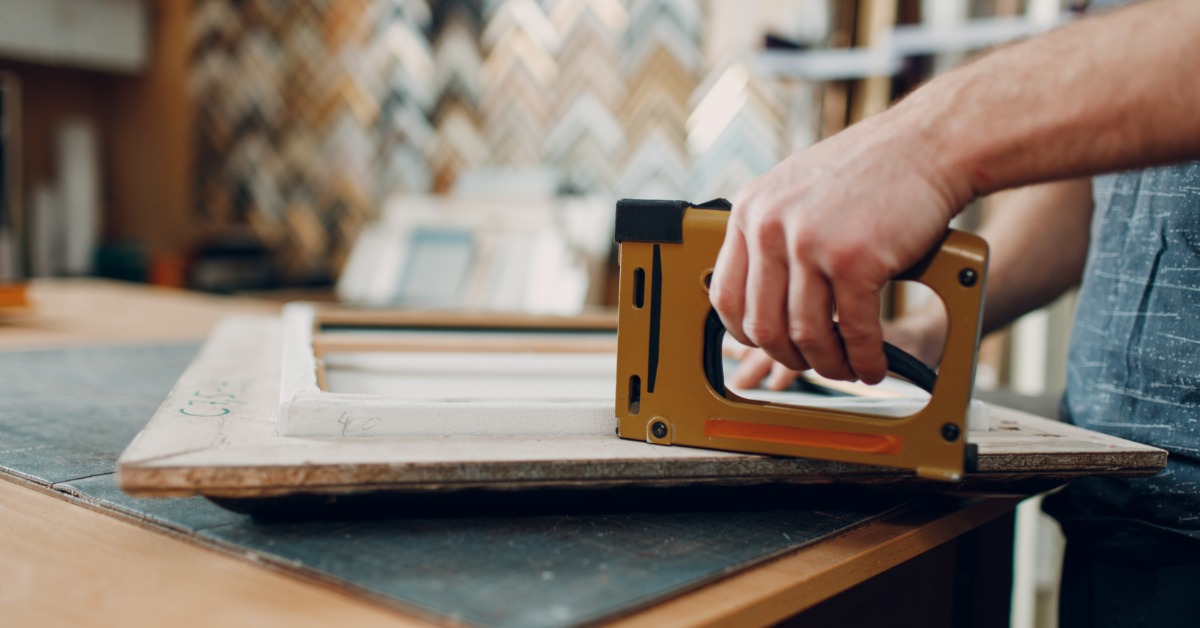
How Staplers Help You Protect Archival Materials
The stapler should never interact with the artwork itself in conservation framing, but it plays a major role in securing the protective layers. When fastening is consistent, you reduce rework, minimize handling, and avoid the little errors that can compromise the package.
Consistent Depth Prevents High Spots and Board Damage
Proud staples create high spots that can press into backing boards or telegraph through materials. In conservation work, those pressure points can shift the package’s position, leading to stress at the corners or edges over time. A picture frame stapler that seats staples evenly helps keep the back smooth. That smoothness supports safer handling, cleaner wrapping, and fewer “mystery marks” from uneven surfaces.
Cleaner Fastening Means Less Rework
Every time you pull a staple, you add extra handling, which increases risk. When working with conservation materials, you want fewer interruptions and do-overs. Reliable feeding and predictable driving prevent crooked staples, misfires, and torn dust covers. These steps keep your workflow steady and lower the chance of accidental scuffs or slips.
Better Control Around Corners
Corners are where conservation builds can get fussy, especially when mouldings are narrow, or the backing stack is thicker than usual. A stapler designed for picture framing typically offers better control near edges and corners, which helps prevent blowouts and splits. When you can fasten confidently in tight zones, you keep the package aligned and reduce the temptation to “make it work” with awkward angles or inconsistent spacing.
Where Picture Frame Staplers Fit into Conservation Workflow
In a conservation shop, repeatability defines the staple step. We aim for every finished piece to leave the bench showing the same stability, seal quality, and clean backside presentation.
Backing Installation That Stays Square
Backing is the step where small misalignment becomes obvious, especially on larger frames. If the stack shifts while you fasten, you end up with uneven edges or gaps that undermine the finished look and the seal. Consistent driving lets you secure the stack without chasing it around the frame.
Reinforcement Without Overbuilding the Frame
Conservation framing rewards restraint. Use enough fastening to support stability, but don’t introduce stress or damage the moulding. A picture frame stapler lets you reinforce backing layers with controlled drive, not heavy-handed fastening that cracks corners or distorts the frame. That balance supports long-term performance and keeps the piece looking right years after it leaves your shop.
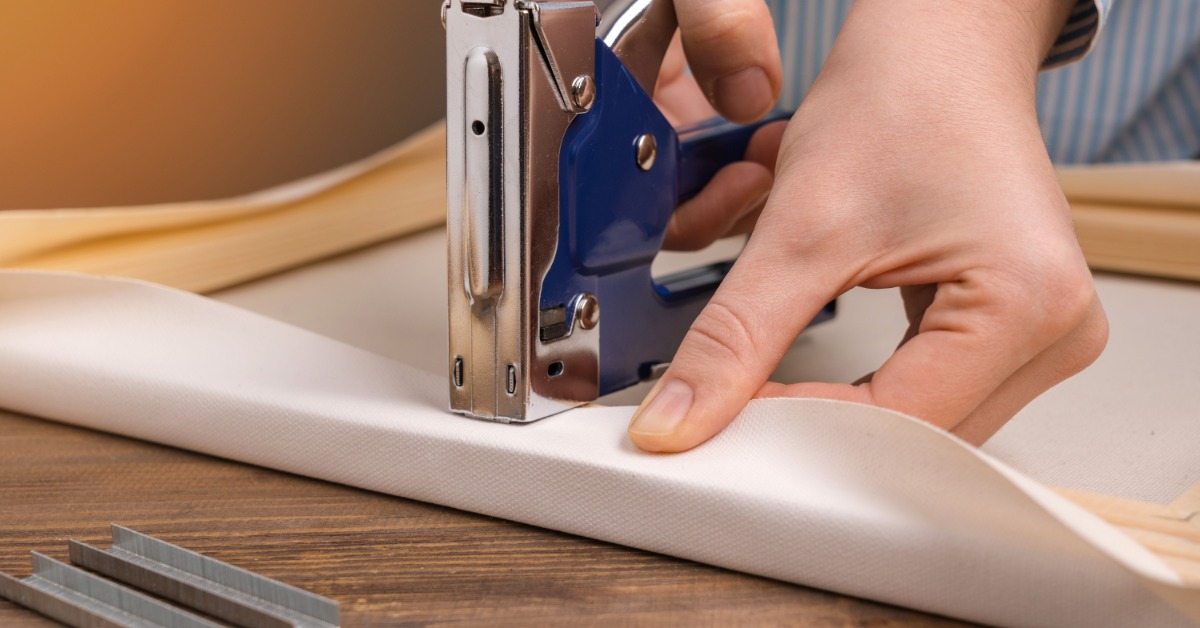
Choosing a Stapler Setup
A conservation shop needs to deliver consistency first. When building preservation packages at volume, choose a stapler that delivers a repeatable set, smooth feeding, and reliable results across different frames.
Prioritizing Repeatability over Raw Power
Raw power can become a liability without control. Conservation materials often include boards that you can compress, crack, or scar if fasteners hit too hard. When you use a stapler that drives predictably, you keep fastening even without over-penetration. That predictability helps maintain consistent framing across operators and long runs, which remains essential when your shop’s reputation relies on precision.
Matching Fasteners to Your Backing System
The staple length and profile should match your backing stack and moulding thickness. Too short, and the backing can loosen. Too long and you risk blow-through, splits, or raised points. Match your fastener to your materials to reduce misfires and keep the back smooth, which supports better sealing and safer handling during delivery and installation.
Building a Process Your Team Can Repeat
Conservation framing is still production work, just with higher standards. A tool that behaves consistently helps you train staff faster and maintain quality across benches. When the fastening step is predictable, your team can focus on alignment, cleanliness, and careful handling. That’s where conservation businesses win: not by working more slowly, but by working with fewer mistakes and fewer corrections.
Bench-Ready Protection
Conservation clients pay for confidence, and that confidence comes from a frame package that stays stable, clean, and protective for the long haul. The role of picture frame staplers in conservation framing shows up in the details your customers never see, like a backing that stays square, a seal that holds, and a package that resists shifting during handling.
If you’re equipping a conservation bench, Salco can help you choose a picture frame stapler that supports consistent, professional results. Conservation work lives in the details, and fastening is one of the easiest places for a build to slip, with uneven spacing, torn dust covers, or backing that drifts out of square. A framing stapler that drives cleanly and predictably keeps your package tight without over-compressing boards or stressing moulding. Browse Salco’s options and set up your shop for success!