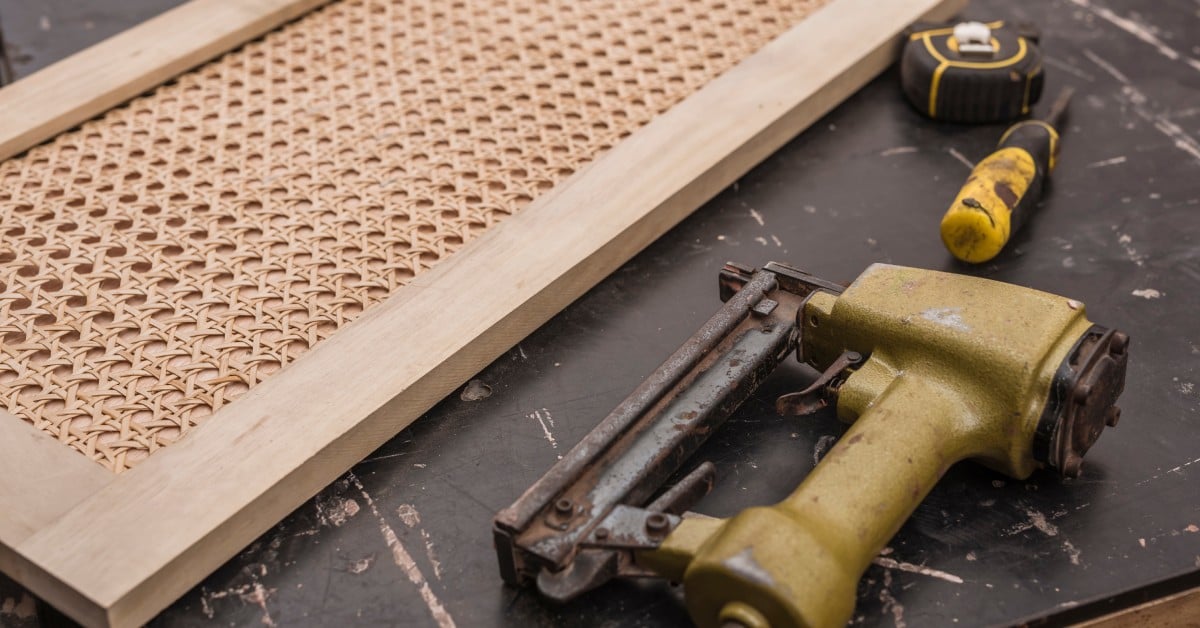
High-volume stapling is one of those tasks that look easy until you do it for hours. In a shipping room or on a production line, reducing ergonomic strain with the right stapler is critical to your team’s safety and health. If the gun fights back, operators tend to squeeze harder, grip tighter, and twist their wrists for leverage. That extra effort adds up to sore hands, tired forearms, and slower output by the end of the day.
Read on to find out how a better stapler reduces effort per cycle, helping people stay consistent and safer without forced workarounds during long runs and busy seasons.
How Stapling Wears People Down
Stapling is hard on the body because it mixes repetition, force, and awkward posture. The same muscles fire over and over, while wrists bend to reach inside boxes or around pallet corners.
If the tool needs a heavy squeeze to drive staples, the forearm must stabilize against the kick and vibration. Over time, this discomfort can spread from the hand into the elbow, shoulder, and upper back, especially for operators who staple all shift.
.jpg)
What Ergonomic Really Means in a Commercial Staple Gun
Ergonomics in a staple gun comes down to how much work the tool requires of the operator. The best tools reduce squeeze force, keep the grip comfortable, and stay stable in the hand.
Think of it like power steering for stapling. You still guide the seam, but you do not wrestle the tool. That matters when multiple operators share stations across long shifts and high-volume demand every week.
Lower Force per Staple
A gun that drives staples cleanly with a smoother trigger helps the wrist stay neutral because the operator does not need extra leverage. It also reduces the urge to slam the nose into the material, which stresses the shoulders and creates an inconsistent set. When the tool fires easily, the form stays cleaner, fatigue shows up later, and staple placement stays accurate through long runs.
Grip, Trigger Feel, and Control
Grip and trigger design matter more than people expect. A handle that fits the hand lets operators maintain control without a death grip, which reduces forearm tension. A predictable trigger improves placement because users are not guessing when it will fire.
Over a long shift, that predictability lowers mental fatigue too. Fewer surprises usually mean fewer misfires, less reloading frustration, and fewer repeated squeezes on the same seam.
Balance Beats “Lightweight”
Balance is another underrated factor. Heavier does not automatically mean worse, especially if the weight is distributed well. A balanced heavy-duty staple gun feels steady and controlled, while a front-heavy tool forces the wrist to constantly stabilize the nose.
That constant stabilizing is tiring! When the gun sits naturally, the operator spends less energy fighting the tool and more energy placing staples correctly, even at awkward angles, all day.
Matching the Stapler to Your Materials and Volume
To reduce strain, the stapler has to match your materials. If you staple dense corrugated, layered wrap, or wood with an underpowered gun, every staple becomes a struggle. The right tool reliably drives the correct staple size into your stack, so one squeeze equals one finished fastener every time.
Matching the Staples to the Material
Staple selection plays a quiet role in ergonomics, too. When staples are the wrong gauge, crown, or leg length, you get jams, partial drives, and extra retries that punish the hand. Using the right fastener for the material lets the gun do its job with one clean cycle. Additionally, make sure to clear debris, check wear, and load correctly to keep firing smoothly and prevent twisty, stressful jams.
Matching the Work Environment
The work environment can shape your choice, too! Stapling at a bench is different from stapling inside deep cartons, along pallet edges, or near the floor. You need a gun that stays controllable at imperfect angles. When the tool supports neutral positioning, operators keep their shoulders relaxed and avoid the tense posture that can trigger end-of-shift aches.
Why a Heavy-Duty Staple Gun Often Reduces Fatigue
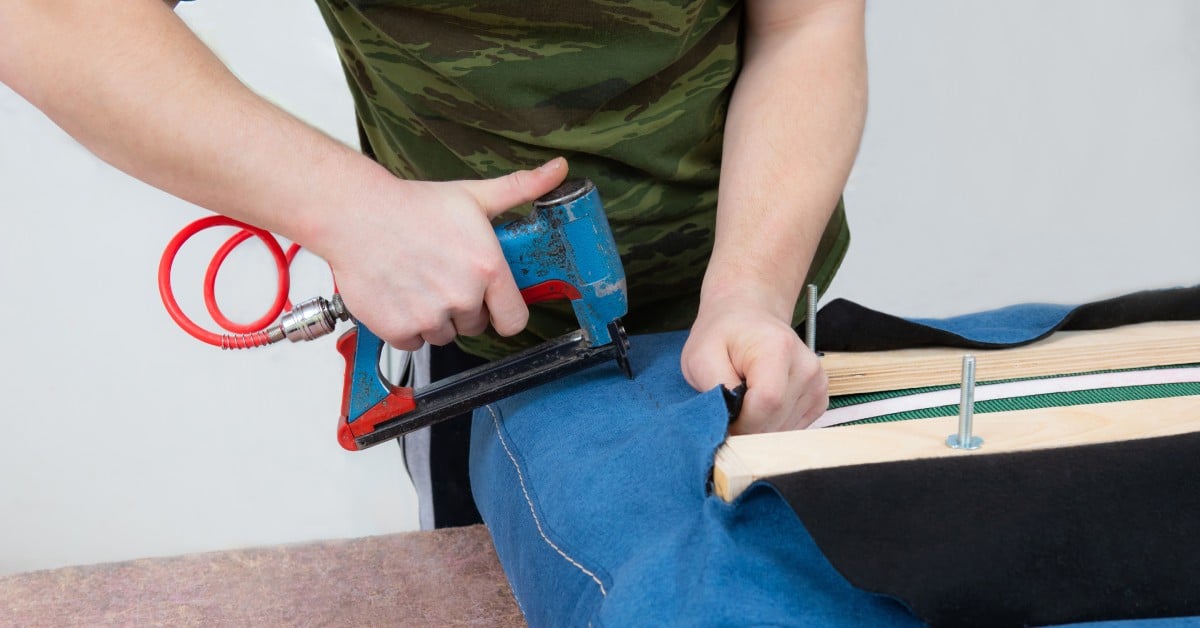
In manufacturing or commercial operations, a heavy-duty staple gun often feels more ergonomic because it delivers consistent penetration without constant overexertion. When staples drive cleanly the first time, rework drops, and the number of squeezes per task goes down. That directly reduces strain. It also helps teams maintain a steady rhythm, which is easier on the body than stop-and-start bursts of force and repeated bracing on site.
Stapling Habits
Even with the right tool, small habits help. Keep the wrist aligned with the forearm to reduce pressure on joints and tendons during long runs. Bringing work closer to the body also limits reach, which helps shoulders stay loose.
If your operation allows it, rotate tasks during heavy stapling periods to give the same muscle groups a break. These adjustments are easier to follow when the gun does not demand excessive squeeze force.
Benefits of Upgrading Your Staple Gun
Upgrading your staple gun can improve quality and training. New operators struggle most with tools that require strength and perfect technique. A heavy-duty gun that fires smoothly is easier to learn, which shortens ramp-up time and reduces early mistakes.
A consistent staple set protects the finished package, helping prevent damage claims and downstream rework. Comfort supports consistency, and consistency supports your reputation on every shipment leaving today, right away.
Put Less Strain on Your Team
If your operation relies on stapling for packaging, assembly, or shipping, reducing ergonomic strain with the right stapler means choosing reliable drive power that requires less operator effort. When the tool matches your materials and volume, the work feels lighter, supervisors hear fewer complaints, and the line runs steadier from start to finish.
Ready to cut hand fatigue, reduce misfires, and keep your team moving at a steady pace? Switch to a heavy-duty staple gun built for commercial work and pair it with staples that fit your application. Explore Salco’s selection of reliable and durable commercial staple guns and fasteners today!