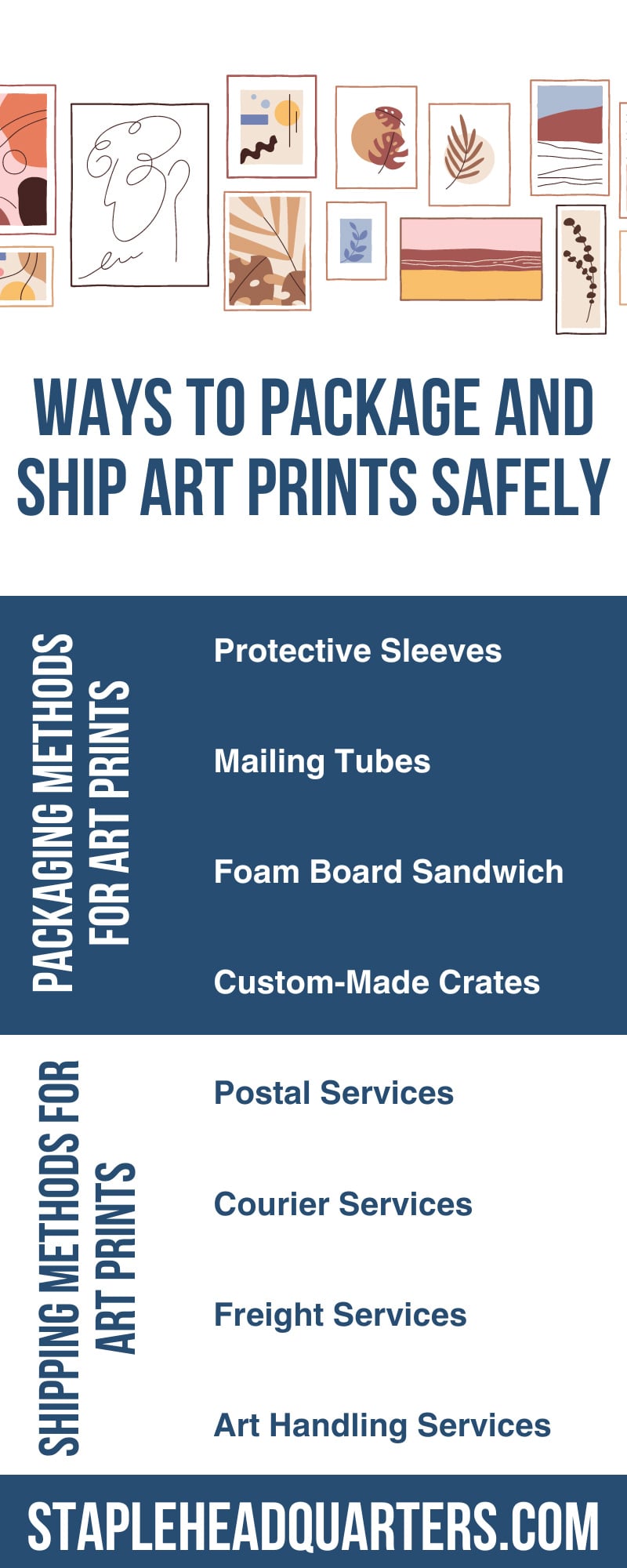
Artists, galleries, and collectors must know the best ways to package and ship art prints safely. Yet, making sure these precious items get to their destination in perfect condition takes careful planning. You can use protective sleeves or custom-made crates to package art prints securely. Our guide provides eight methods to ensure all art prints make it to their destination without damage.
Why Packaging Methods Matter for Art Prints
Proper packaging is crucial for protecting delicate and valuable art prints during transit. The chosen packaging method directly impacts the print’s quality and value, especially when you’re shipping it across long distances or internationally. Meticulous handling and the correct packaging techniques ensure the artwork arrives at its destination in pristine condition.
Packaging Methods for Art Prints
Protective Sleeves
Protective sleeves are excellent for smaller prints. These sleeves, typically made from polypropylene, provide a safe, static-free environment for the artwork. They prevent smudging, scratches, and dust accumulation, making them ideal for flat shipping.
Mailing Tubes
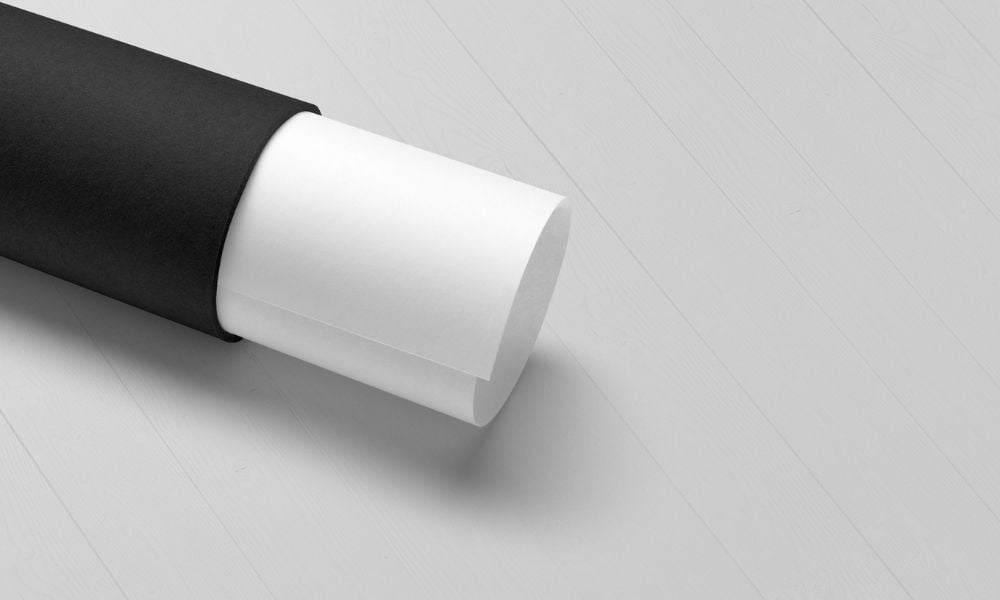
Sturdy mailing tubes offer a practical solution for larger prints and posters. Usually made of cardboard, these tubes allow you to roll the image rather than fold it, preventing creases and damage to the artwork. Seal the ends with plastic caps to keep the print secure during transit.
Foam Board Sandwich
When shipping flat, a foam board sandwich might be the best approach for protecting pieces. When sandwiched together, the print sits securely between the foam with tape to prevent it from sliding out. This method offers a rigid and cushioned environment, reducing the risk of bending or folding.
Custom-Made Crates
Custom-made crates may be the safest option for larger, more valuable pieces. These crates offer the highest protection level because they fit the dimensions of the pictures. Artists can secure the artwork within the crate using additional packing materials, such as bubble wrap or packing peanuts, to prevent movement during shipping.
Tools Required for Packaging Art Prints
When packaging art prints for shipping, some tools are necessary for ensuring that everything is secure before transport.
Protective Gloves
Protective gloves protect the artwork from damage by preventing oils and dirt from your hands from transferring onto the piece’s surface. Gloves made of cotton or nitrile are popular options.
High-Quality Tape
A robust and reliable tape is crucial for securing packaging materials and sealing packages. This adhesive ensures the contents remain enclosed during transit, reducing the risk of accidental opening or damage.
Tape Measure
This tool helps ensure the measurements match between the art print and packaging material. Inaccurate measurements could cause the photo to become damaged during shipping.
Utility Knife
A sharp utility knife is essential for cutting packing materials to the appropriate size and opening packages without damaging the art prints.
Bubble Wrap
Bubble wrap can offer extra protection against shocks and vibrations during transit. It’s essential to use when shipping fragile or high-value pieces.
Archival Tissue Paper
This acid-free paper is perfect for wrapping art prints as it does not cause discoloration or damage over time—a frequent problem with regular tissue paper.
Packing Peanuts
These are useful for filling empty spaces in the package, preventing the artwork from moving, and providing additional cushioning.
Each tool safeguards the art prints while contained in its packaging. Using these tools helps minimize the risk of damage during shipping.
Shipping Methods for Art Prints
Choosing the proper shipping method for art prints is crucial for ensuring safe and timely delivery. Factors to consider include transit times, handling practices, tracking services, and insurance options. By carefully selecting a shipping method, you can minimize potential damage and have peace of mind throughout the transport process.
Postal Services
Many artists rely on local postal services to aid in packaging and shipping their works. This method is cost-effective and practical for smaller prints that don’t require specialized handling. However, it’s essential to consider a postal service’s weight and size restrictions, mostly because it might not be a suitable service for shipping larger artwork. Additionally, tracking and insurance options vary, so selecting a service with the best coverage for your valuable prints is critical.
Courier Services
Courier services offer a step up from regular postal services, providing more reliable tracking and often offering greater insurance coverage. Courier services can handle valuable works with more care and deliver them more quickly. Courier services can be a preferable option for medium-sized prints or those needing expedited shipments.
Freight Services
Freight services may be the best choice for larger, heavier artwork or international shipments. These services specialize in handling and shipping sizable items, and they offer robust insurance options. Many artists use these services in combination with custom-made crates to provide optimal protection.
Art Handling Services
It may be worth considering professional art handling services for particularly valuable or fragile artwork. These companies specialize in the safe transport of art and can offer expert packing, custom crating, and climate-controlled shipping options. They carefully handle the painting or work to ensure it reaches its destination in perfect condition.
Factors To Consider When Choosing a Shipping and Packaging Method for Art Prints
When selecting a shipping and packaging method for art prints, it is crucial to consider a few things first. These factors play a vital role in ensuring the safe and secure transportation of the artwork, preserving its quality, and minimizing the risk of damage.
Value of the Artwork
If the art print is extremely valuable or sentimental to the consumer, investing in a higher level of protection is wise. In the case of a high-valued art print, using custom-made crates or professional art handling might be worthwhile.
Size and Weight
The size and weight of the print can limit shipping methods. A larger, heavier piece may require freight services and custom-made crates, while you can ship smaller prints effectively using postal or courier services with protective sleeves or mailing tubes.
Destination
The destination of the artwork influences the shipping method the most. For international shipments or other long-distance destinations, the most appropriate packaging and shipping options would be using a custom-made crate and utilizing freight or art handling services.
Time Sensitivity
If the artwork needs to arrive quickly, courier services may be the best option, as they typically offer faster delivery times than regular postal or freight services.
Cost
Cost can also be a determining factor. While postal services are usually the most cost-effective, they may not have the best protection and assistance for valuable or fragile art prints. On the other hand, courier, freight, and art handling services offer higher levels of service and security at a higher cost.
Safely shipping and packaging art prints requires careful planning. From choosing the right packaging materials to selecting a suitable shipping method, every step is crucial in ensuring artwork arrives in perfect condition. Consider these factors when deciding on your shipping and packaging approach.
Salco loves the art community, and we want to ensure your art pieces safely make it to their destination. We offer a wide range of products, including our durable cardboard staple gun, designed to simplify and secure your packaging task. It’s an investment in the safety and preservation of your valuable art prints. We can ensure your artwork remains in perfect condition before and after packaging and shipping.